


DENPASAR – The management of organic waste at Kura Kura Bali is being carried out through the Island Compost Center (ICC) within the Kura Kura Bali Special Economic Zone (SEZ).
The waste processing facility has been operational since June 2026, with a maximum capacity of one ton of organic waste per day.
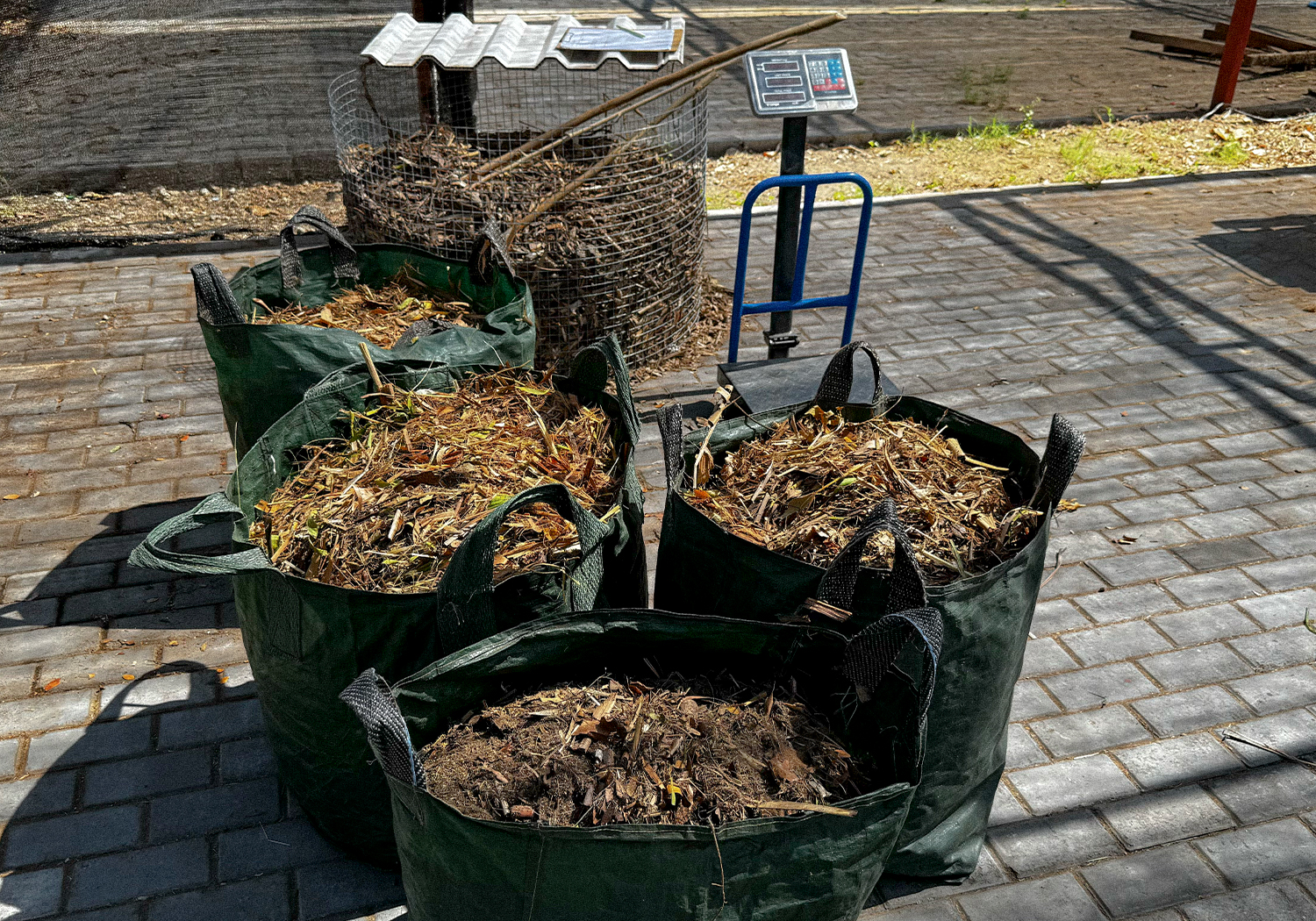
As of August 2026, the Island Compost Center (ICC) had processed 9.8 tons of organic waste generated within the area. The waste comes from office activities and landscape maintenance, including leaves, branches, grass, and food scraps.
The organic waste is then processed into compost and reused across green areas within Kura Kura Bali.
The composting process takes approximately three months to produce mature compost. In its operations, ICC applies both open windrow composting and ring composting methods.
Island Compost Center Turns Organic Waste into Compost
The open windrow method is used to process larger volumes of organic waste, while ring composting is applied in areas with more limited space, with particular attention given to air circulation throughout the decomposition process.
The initiative forms part of the implementation of Bali Governor Regulation No. 47 of 2019 on Source-Based Waste Management.
Zefri Alfaruqy, Head of Communications at the Kura Kura Bali SEZ, said waste management within the area had previously undergone a trial phase.
Between September 22 and October 6, 2025, approximately 3.4 kilograms of food waste was processed using anaerobic biodigester technology, producing 1.3 kilograms of raw compost.
“We are not waiting for a perfect system before we begin. What matters most is building the habits, infrastructure, and waste management systems that can create a positive impact on the environment,” Zefri Alfaruqy said on Tuesday, September 1, 2026.
According to Zefri, waste management is part of the effort to reduce the environmental burden generated by activities within the area.
“Waste management at Kura Kura Bali is not merely an operational responsibility. It is part of our long-term commitment to developing an area that does not place an additional burden on its surrounding environment,” he said.
Involving the Serangan Village Community
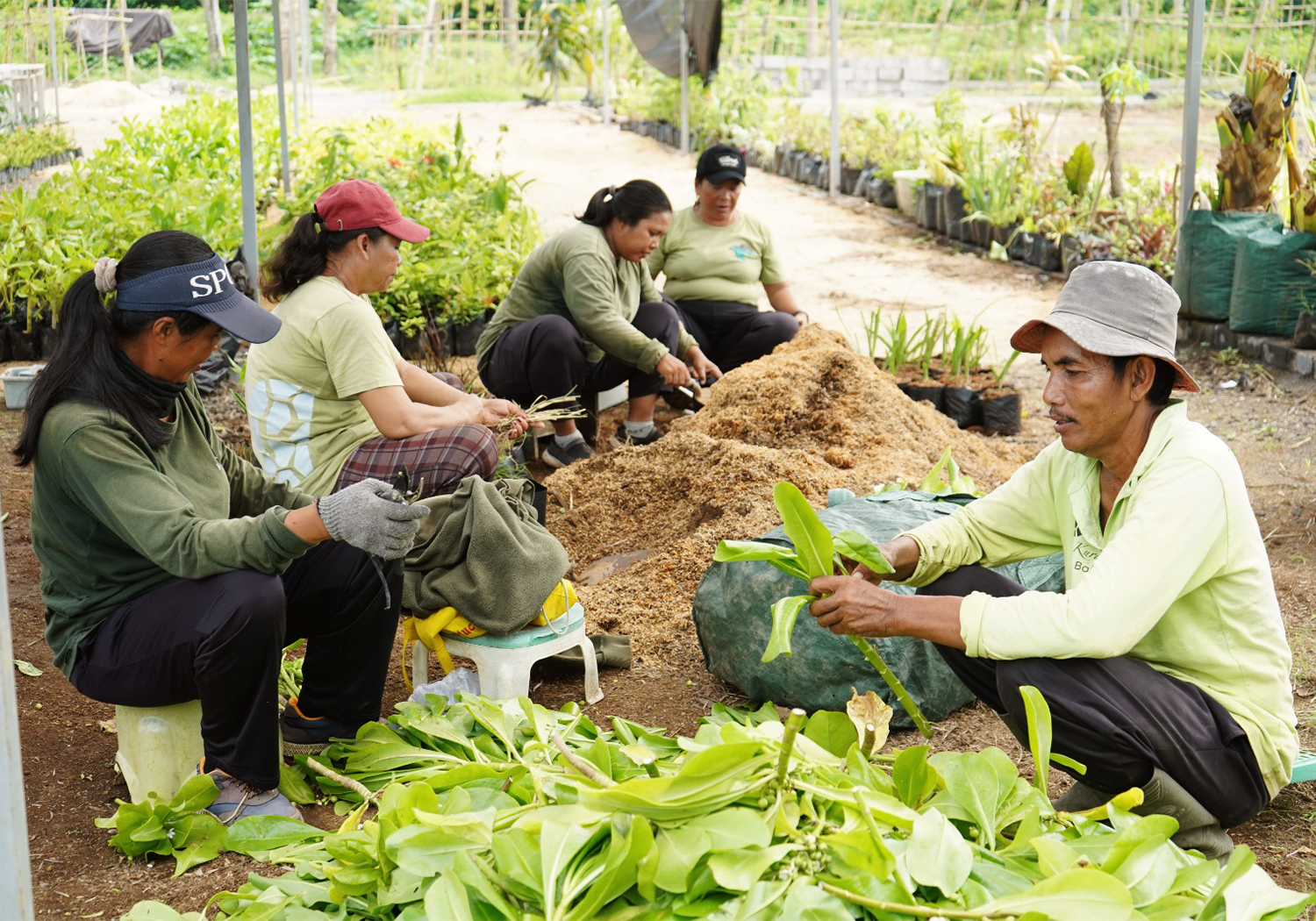
The operation of the Island Compost Center also involves residents of Serangan Village as part of its workforce.
One of the workers, Wayan Sudibya, said the role was a new experience for him. He views the initiative as being closely connected to the waste challenges currently faced by the community.
“This job is actually new for me. The program genuinely supports the government’s current initiatives because we are currently dealing with waste as an environmental burden,” Wayan Sudibya said.
Another worker, Ni Ketut Serini, also a resident of Serangan Village, said her involvement had provided an opportunity to learn about the compost-making process.
“I would like to thank Kura Kura Bali and BTID Bali because I have been given the opportunity to work while also learning how to make compost,” she said.
Using Eco Enzyme from the Local Community
In addition to involving local workers, the ICC composting process uses eco enzyme produced by PT Nukari together with Angen, a community fostered by PT Bali Turtle Island Development (BTID).
The fermented liquid is used as a decomposer to support the breakdown of organic materials.
Waste management within the area also extends beyond organic waste.
Non-organic waste is managed by Manah Liang, while the transportation of hazardous and toxic waste (B3) is handled by PT Bhakti Bumi Berseri. Waste management is carried out through partners holding the required permits in accordance with applicable regulations.
Moving Toward Zero Waste to Landfill
Looking ahead, the management of the Kura Kura Bali SEZ aims to gradually implement a zero waste to landfill approach.
Future plans include the development of a Recycle Material Warehouse (RMW) for sorting materials that retain usable value and an Eco Edu Centre (EEC) designed as a hub for education and recycling activities.
With a maximum processing capacity of one ton per day, the Island Compost Center (ICC) represents one component of the broader waste management system within Kura Kura Bali.
The long-term effectiveness of the system will depend on consistent waste separation at the source, processing capacity, and the sustainable management of non-organic and hazardous waste.
01 Sep 2026
Source: NusaBali.com